
Quartz Repair: When to DIY and When to Call a Professional
Key Takeaways
Countertop issues such as minor chips, light scratches, and surface stains can often be handled with DIY repair methods.
More serious damage like deep cracks, seam separation, or heat-related resin damage usually requires professional repair.
Repair costs can add up quickly, and so replacement can sometimes be a more cost-effective long-term solution.
Some countertop damage isn’t worth fixing, as when it affects structural integrity or occurs in high-visibility areas.
The best way to extend the life of quartz countertops is preventative care, including proper cleaning, heat protection, and careful use.
Quartz countertops are known for their durability, sleek appearance, and low maintenance, but that doesn’t mean they’re completely immune to damage. Over time, chips, stains, cracks, or heat marks can happen, leaving many homeowners wondering whether a simple fix will do or if it’s time to call in a professional. The good news is that some minor issues can be handled with the right tools and techniques, while others require expert attention or even a full replacement.
In this guide, we’ll break down the most common types of quartz damage, what you can safely repair yourself, and when it’s smarter to bring in a professional.
If you’re unsure about the best next step, the team at Natural Stone City is always available to provide expert advice, maintenance tips, and help you explore replacement options if needed.
Quartz Repair
1. Common Types of Quartz Countertop Damage
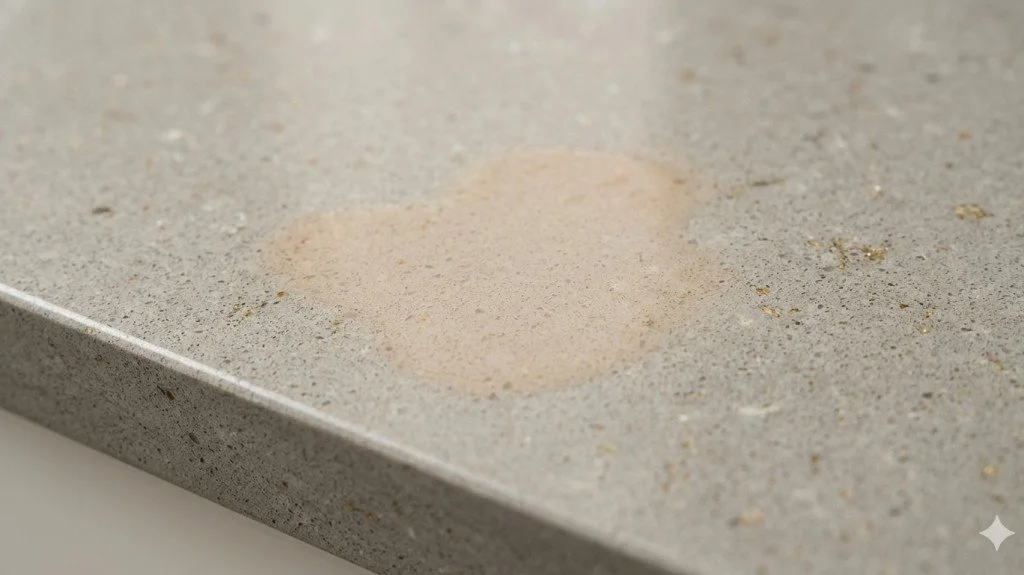
Quartz is one of the most durable countertop materials available, but it is not completely immune to wear and tear. Over time, different types of damage can occur depending on how the surface is used, maintained, and installed. Understanding the most common issues can help you decide whether a repair is possible or if professional help is needed.
Chips and Edge Damage
Chips and edge damage are one of the most common forms of quartz countertop damage that homeowners encounter. These issues typically occur when heavy objects are dropped on the surface or when the edges and corners are struck during everyday kitchen use.
Chips are often caused when heavy pots, pans, or appliances are dropped directly onto the countertop surface.
Edge damage commonly happens when impact occurs on vulnerable corners or protruding sections of the countertop.
These types of damage are the most frequently reported by homeowners because kitchen surfaces are constantly exposed to daily activity and accidental impacts. While small chips may sometimes be repairable, larger or more visible damage often requires professional attention.
Scratches and Surface Marks
Scratches and surface marks are less common on quartz than on many other countertop materials due to its strong, engineered composition. However, they can still occur under certain conditions, especially with improper use.
Scratches are often caused by dragging heavy or sharp objects across the surface without protection.
Surface marks may appear when abrasive materials or tools are used during cleaning or food preparation.
While minor marks can sometimes be improved with proper cleaning methods, deeper scratches may be more difficult to fully remove. Overall, quartz is highly resistant to scratching, but it is not entirely scratch-proof.
Stains and Discolouration
Quartz is highly stain-resistant, but it is not completely stain-proof, especially when exposed to certain substances over long periods of time. Stains and discolouration typically develop due to improper cleaning or prolonged exposure to damaging materials.
Stains can be caused by harsh chemical cleaners that break down the surface resin.
Discolouration may occur when spills are left to sit for extended periods without being cleaned.
Heat exposure can also contribute to subtle changes in colour over time.
Even though quartz is designed to resist staining, consistent maintenance and prompt cleaning are essential to preserving its original appearance.
Cracks
Cracks in quartz countertops are less common but tend to be more serious than chips or surface marks. They often indicate an underlying issue rather than simple surface wear.
Cracks can result fromstructural stress within the countertop or supporting cabinetry.
Poor installation practices may place uneven pressure on the slab, leading to stress fractures.
Cabinet shifting or foundation movement can also cause the quartz surface to crack over time.
Because cracks often signal a deeper structural concern, they are typically not suitable for simple DIY repairs and may require professional evaluation.
Burn Marks and Heat Damage
Burn marks and heat damage occur when quartz is exposed directly to high temperatures. Although quartz is heat-resistant to a degree, its resin binders can be affected by extreme heat.
Burn marks are commonly caused by placing hot pots or pans directly onto the countertop surface.
Heat exposure can alter the resin within quartz, leading to discolouration or dull patches.
Repeated heat exposure can weaken the surface over time and affect its overall appearance.
These types of damage are often permanent and serve as a reminder that quartz still requires heat protection, such as trivets or hot pads.
Understanding these common types of quartz countertop damage is the first step in determining whether a repair is practical or if a larger solution is needed.
2. DIY Quartz Repair: What You Can Fix Yourself
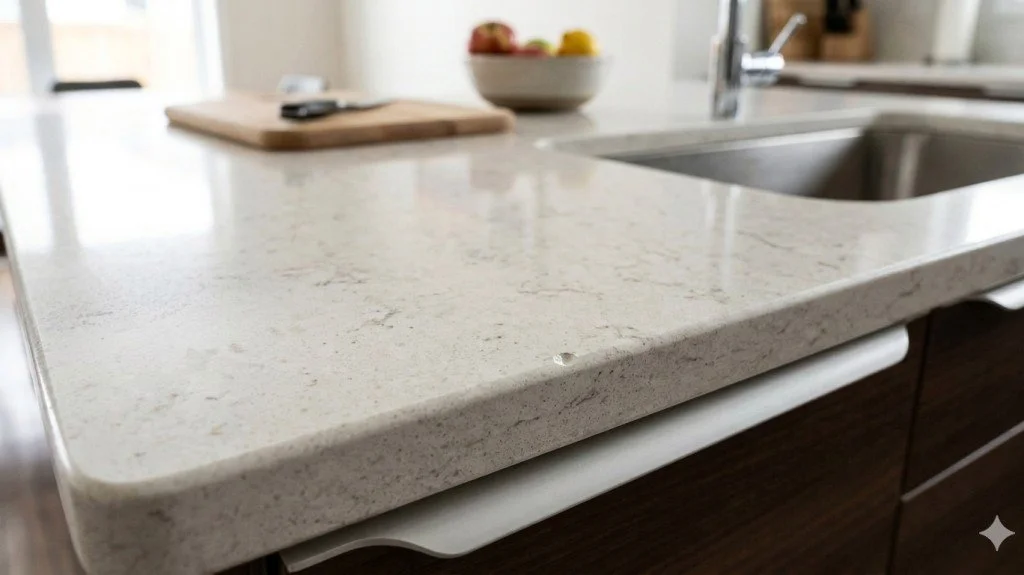
Some minor quartz countertop issues can be addressed by homeowners with the right tools and a careful approach. While quartz is a durable surface, small imperfections can sometimes be improved without professional help. However, it is important to understand the limits of DIY repair and set realistic expectations for the results.
Minor Chips
Small chips in quartz can often be repaired at home using basic repair materials. These types of repairs work best when the damage is shallow and limited in size.
Quartz repair kits or epoxy can be used to fill in small chips and restore the surface’s appearance.
These products are best suited for minor, shallow damage rather than deep or structural issues.
Before attempting a repair, it is important to follow a careful process to improve the outcome. The following steps can help achieve a cleaner and more seamless result:
The damaged area should be cleaned thoroughly to remove dust, grease, or debris before applying any repair material.
Colour matching should be done carefully so the repair blends as closely as possible with the existing quartz surface.
The epoxy or filler should be applied in thin layers to avoid uneven buildup and improve the final finish.
When done carefully, small chip repairs can improve appearance, but they rarely become completely invisible.
Light Surface Marks
Light surface marks are often the easiest type of quartz damage to manage at home. These marks are usually cosmetic and do not affect the structural integrity of the countertop.
Non-abrasive cleaners should be used to gently remove surface marks without damaging the quartz finish.
Polishing compounds designed specifically for quartz can help restore shine and reduce the appearance of minor imperfections.
Consistent, gentle cleaning is usually enough to keep these marks from becoming more noticeable over time.
Minor Stains
Minor stains on quartz countertops can often be treated at home with simple cleaning solutions. Because quartz is non-porous, most stains remain on the surface rather than soaking in.
A baking soda paste or manufacturer-approved quartz cleaner can often lift light stains effectively.
Harsh chemicals such as bleach or oven cleaners should be avoided because they can damage the resin and dull the surface.
With prompt attention, most minor stains can be removed without leaving permanent marks.
When DIY Works Best
DIY quartz repair is not suitable for every situation, and it works best under specific conditions. Understanding when to attempt a repair yourself can help avoid making the damage worse.
DIY repair is most effective when the damage is small, cosmetic, and does not affect the structure of the countertop.
It is also more appropriate when the damage is in a low-visibility area where slight imperfections are less noticeable.
Even when DIY repairs are successful, it is important to set realistic expectations. The repaired area will often improve in appearance, but it will not typically look completely brand new or invisible under close inspection.
3. When to Call a Professional for Quartz Repair
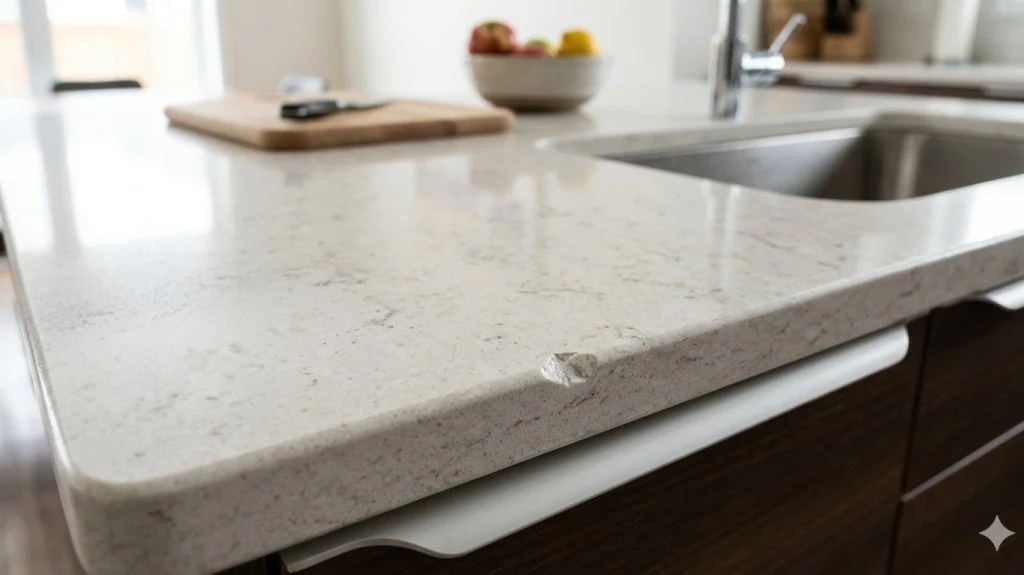
While some minor quartz issues can be handled at home, there are clear situations where DIY repair becomes risky or ineffective. In these cases, attempting a repair without the right tools or expertise can make the damage worse or lead to more costly problems later. Knowing when to bring in a professional is key to protecting both the appearance and integrity of your countertop.
Large Chips or Deep Damage
Large chips or deep surface damage typically go beyond what a DIY repair can handle effectively. These issues often require specialized techniques to restore the appearance of the quartz.
Large chips are difficult to blend seamlessly into the surrounding surface, even with high-quality repair kits.
Attempting a DIY fix on deeper damage can sometimes worsen the issue or make the repair more visible over time.
In most cases, professional repair is recommended to ensure a more durable and visually consistent result.
Cracks (Especially Spreading Ones)
Cracks in quartz countertops are a more serious issue than surface-level damage and often indicate underlying stress. These should always be evaluated carefully before any repair is attempted.
Cracks are structural in nature and are not simply cosmetic imperfections that can be filled or buffed out.
In many cases, cracks may signal installation issues or movement in the cabinetry or support structure.
Because cracks can worsen over time, professional assessment is strongly recommended to determine whether repair or replacement is necessary.
Seam Separation
Seam separation occurs when two joined sections of quartz begin to pull apart, creating visible gaps or uneven surfaces. This type of issue is not typically suitable for DIY repair.
Seam repairs require specialized tools, adhesives, and experience to realign and secure the slabs properly.
Poor repair attempts can make the seam more noticeable or compromise the stability of the countertop.
Professional repair ensures the seam is properly rejoined and blended for a consistent finish.
Heat Damage or Resin Discoloration
Heat damage and resin discolouration are more complex issues that often cannot be corrected with simple surface treatments. These problems affect the material itself rather than just the top layer.
Heat damage frequently requires resurfacing or section replacement to restore the countertop’s appearance.
Resin discolouration is often permanent and cannot be fully reversed with standard cleaning or polishing methods.
In these situations, professional evaluation is important to determine whether repair is possible or if replacement is the better long-term solution.
High-Visibility Areas
Damage in high-visibility areas of the kitchen is another strong reason to avoid DIY repair attempts. These areas are difficult to mask, and even small imperfections can stand out.
Kitchen islands and main prep zones are highly visible and frequently used, making imperfections more noticeable.
Poor DIY repairs in these areas often draw more attention than the original damage itself.
For surfaces where appearance matters most, professional repair or replacement typically delivers a far more polished and lasting result.
Understanding when to call a professional for quartz repair helps ensure that small issues do not turn into larger, more expensive problems.
4. Quartz Repair Cost: DIY vs. Professional
Quartz Repair Cost Summary
Below is a simple comparison of typical DIY and professional quartz repair costs to help illustrate the differences at a glance.
| Repair Type | DIY Cost | Professional Cost | Notes |
|---|---|---|---|
| Minor Chips | $20–$100 for repair kits and materials. | $150–$300 depending on size and visibility. | Professional repair provides better colour matching and finish consistency. |
| Cracks | Not recommended due to structural risk. | $300–$800+ depending on severity and cause. | Cracks often indicate deeper structural issues that require professional assessment. |
| Seam Repair | Not recommended for DIY attempts. | $200–$500 depending on alignment and access. | Requires specialized tools to properly realign and bond seams. |
| Heat Damage / Discoloration | Limited effectiveness with DIY cleaning methods. | Varies widely; may require resurfacing or replacement. | Severe cases are often not repairable and may require replacement. |
*The cost ranges provided in this section are general industry estimates based on commonly reported pricing for quartz countertop repair services across North America, including typical contractor service ranges for chip, crack, and seam repairs, as well as the average cost of DIY repair kits available at home improvement retailers.
These figures are intended to give you a realistic sense of the relative difference between DIY and professional repair options rather than serve as exact quotes. Actual costs can vary significantly depending on factors such as the severity of the damage, the visibility and location of the repair, regional labour rates, and the specific stone fabricator or repair specialist.
Understanding the cost difference between DIY quartz repair and professional services can help you make a more informed decision. While DIY options may seem more affordable upfront, the results, durability, and risks should all be considered before choosing a path forward.
DIY Costs
DIY quartz repair is typically the lowest-cost option, but it comes with limitations in terms of finish quality and long-term durability. It is generally best suited for very minor cosmetic issues.
Repair kits for quartz typically range from $20 to $100, depending on the brand and quality.
The time investment for most DIY repairs is usually between 1 and 3 hours, depending on the severity of the damage and skill level.
There is a risk of achieving an inconsistent or visibly imperfect finish, especially if colour matching is not precise.
While DIY repair can be cost-effective, it is important to weigh the savings against the potential for visible imperfections or repeat repairs.
Professional Repair Costs
Professional quartz repair offers a more refined and durable solution, but the cost varies depending on the type and severity of the damage. It is generally recommended for more visible or structural issues.
Minor chip repairs typically range from $150 to $300, depending on size and location.
Crack repairs usually range from $300 to $800 or more, depending on complexity and structural concerns.
Seam repairs generally cost between $200 and $500, depending on alignment and accessibility.
These costs can vary based on the severity of the damage, the countertop layout, and the level of finish required.
When Replacement Becomes More Cost-Effective
In some cases, repairing quartz countertops may not be the most practical or cost-effective solution. When damage becomes extensive, replacement may offer better long-term value.
Multiple repairs across different areas of the countertop can quickly add up in cost.
Extensive cracking or heat damage may compromise the structural integrity of the surface.
Older countertops nearing the end of their lifespan may be better replaced than repeatedly repaired.
In these situations, investing in a full replacement can often provide a more durable, visually consistent, and long-lasting result.
5. When It’s Better to Replace Instead of Repair

While many quartz countertop issues can be repaired, there are situations where replacement is the more practical and cost-effective long-term solution. This is often the point where minor fixes no longer deliver the results homeowners expect, and a full upgrade becomes the better investment.
Signs Replacement Is the Better Option
There are several clear indicators that repairing a quartz countertop may no longer be worthwhile. When damage becomes more extensive or repeated, replacement is often the smarter choice.
Widespread damage across multiple areas of the countertop can make repairs less effective and less visually consistent.
Structural issues such as deep cracks or shifting sections often indicate underlying problems that cannot be fully resolved with surface repair alone.
Outdated styles or colours can make the entire kitchen feel dated, even if the countertop is still functional.
Repair costs that reach 50% or more of the price of a new countertop typically make replacement the more economical option.
When these issues are present, continuing to repair the surface may only delay the need for a full upgrade rather than solve the problem.
Benefits of Replacing Your Quartz Countertop
Choosing to replace a damaged or outdated quartz countertop comes with several long-term advantages that go beyond simple repairs. A new installation can significantly improve both the look and performance of your kitchen.
A brand new countertop provides a clean, refreshed look that instantly upgrades the entire space.
New quartz surfaces offer improved durability, especially when professionally fabricated and installed.
Replacement also gives you the opportunity to upgrade your design, colour, or edge profile to better match your current style preferences.
In many cases, replacement not only resolves existing issues but also adds lasting value and functionality to the home.
When repair is no longer the best option, exploring a full replacement can be the most effective way to restore both the appearance and performance of your kitchen surfaces.
6. How to Prevent Quartz Countertop Damage
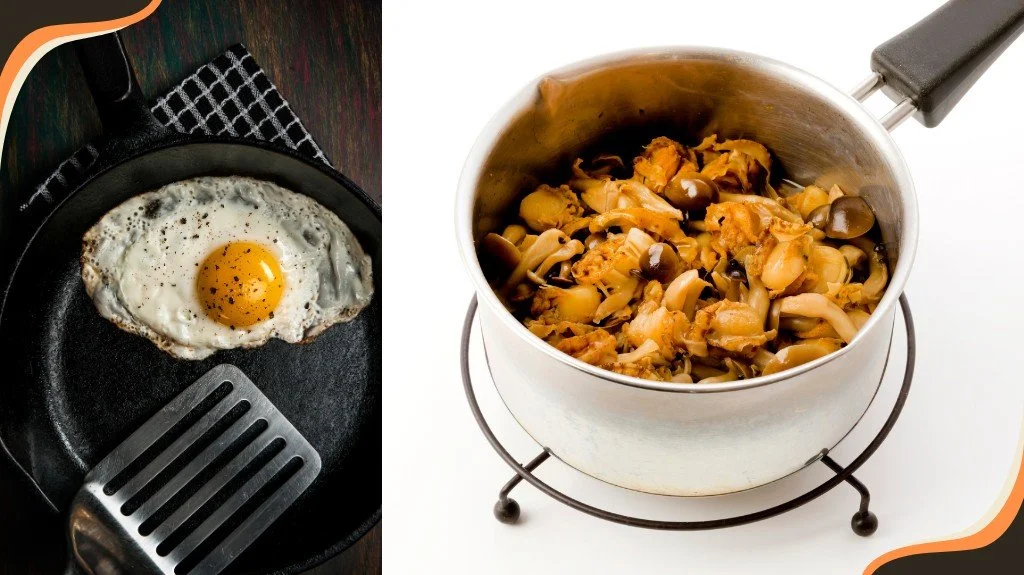
Preventing damage is one of the best ways to extend the life of your quartz countertops and reduce the need for repairs or replacement. With a few simple habits and proper care, homeowners can keep their surfaces looking new for years. At Natural Stone City, we often guide homeowners on best practices for maintenance so they can protect their investment long after installation.
Daily Care Tips
Everyday habits play a big role in keeping quartz countertops in excellent condition. Because quartz is durable but not indestructible, consistent care helps prevent avoidable damage.
Cutting boards should always be used instead of cutting directly on the countertop surface to prevent scratches and surface marks.
Harsh chemicals should be avoided because they can dull the finish and damage the resin over time.
Spills should be cleaned up quickly to prevent staining and maintain the countertop’s original appearance.
Following these simple daily care habits helps preserve both the look and longevity of quartz surfaces.
Heat Protection
Although quartz is heat-resistant to a degree, it is not designed to handle direct high temperatures. Protecting the surface from heat exposure is essential for preventing permanent damage.
Trivets or hot pads should always be used when placing hot pots, pans, or baking trays on the countertop.
Consistently using heat protection helps prevent resin damage, discolouration, and burn marks that cannot always be repaired.
Avoid Impact Damage
Quartz countertops are strong, but heavy impact can still cause chips or cracks, especially along edges and corners. Being mindful during everyday kitchen use can significantly reduce the risk of damage.
Heavy cookware should be handled carefully, especially near countertop edges where chips are more likely to occur.
Simple awareness during cooking and cleaning can go a long way in preventing accidental damage.
Proper Installation Matters
One of the most important but often overlooked factors in preventing quartz damage is proper installation. Even high-quality materials can develop issues if not installed correctly.
Professional fabrication and installation help ensure that the countertop is properly supported, level, and securely fitted. This reduces the risk of stress cracks, seam issues, and long-term structural problems that can develop over time.
By following these prevention tips and working with experienced professionals, you can significantly extend the life of your quartz countertops and reduce the likelihood of costly repairs or replacement.
7. Frequently Asked Questions About Quartz Repair
Can quartz countertops be repaired if they chip?
Yes, small chips in quartz countertops can often be repaired using epoxy or quartz repair kits. However, the success of the repair depends on the size, depth, and visibility of the chip. Larger or more noticeable chips are usually better handled by a professional to ensure a more seamless finish.
Is quartz repair worth it, or should I replace the countertop?
Quartz repair is worth it when the damage is minor, such as small chips or light surface marks. However, if there are multiple issues, deep cracks, heat damage, or widespread wear, replacement is often the more cost-effective and longer-lasting solution. In many cases, once repair costs approach half the price of a new countertop, replacement becomes the better option.
Can scratches be removed from quartz countertops?
Light surface scratches can sometimes be improved using non-abrasive cleaners or polishing products designed specifically for quartz. Deeper scratches, however, are difficult to fully remove and may require professional attention or resurfacing, depending on severity.
What causes cracks in quartz countertops?
Cracks in quartz are typically caused by structural stress, improper installation, or movement in the cabinetry underneath. Unlike chips or surface marks, cracks often indicate a deeper issue and should be evaluated by a professional to determine the best course of action.
How much does quartz repair usually cost?
DIY repair kits can cost between $20 and $100, but professional repairs typically range from $150 to $800 or more, depending on the type of damage. Minor chips are on the lower end of that range, while cracks and seam repairs are more expensive due to their complexity.
Can heat damage to quartz be fixed?
Heat damage is difficult to repair because it can permanently alter the resin in quartz. In some cases, minor discolouration can be improved, but more severe burn marks or heat spots often require resurfacing or full replacement.
When should I stop trying to repair quartz and replace it instead?
You should consider replacement when damage is widespread, structural cracks are present, or repair costs become too high compared to a new countertop. Replacement is also a good option if your countertop is outdated or no longer fits your design preferences.
Does Natural Stone City offer quartz repair services?
Natural Stone City does not specialize in quartz repair services. However, the team can provide expert advice on damage, maintenance, and whether repair or replacement is the best option. They also offer professional quartz fabrication and installation for homeowners looking to upgrade their countertops.
Final Thoughts: Quartz Repair vs. Replacement with Natural Stone City
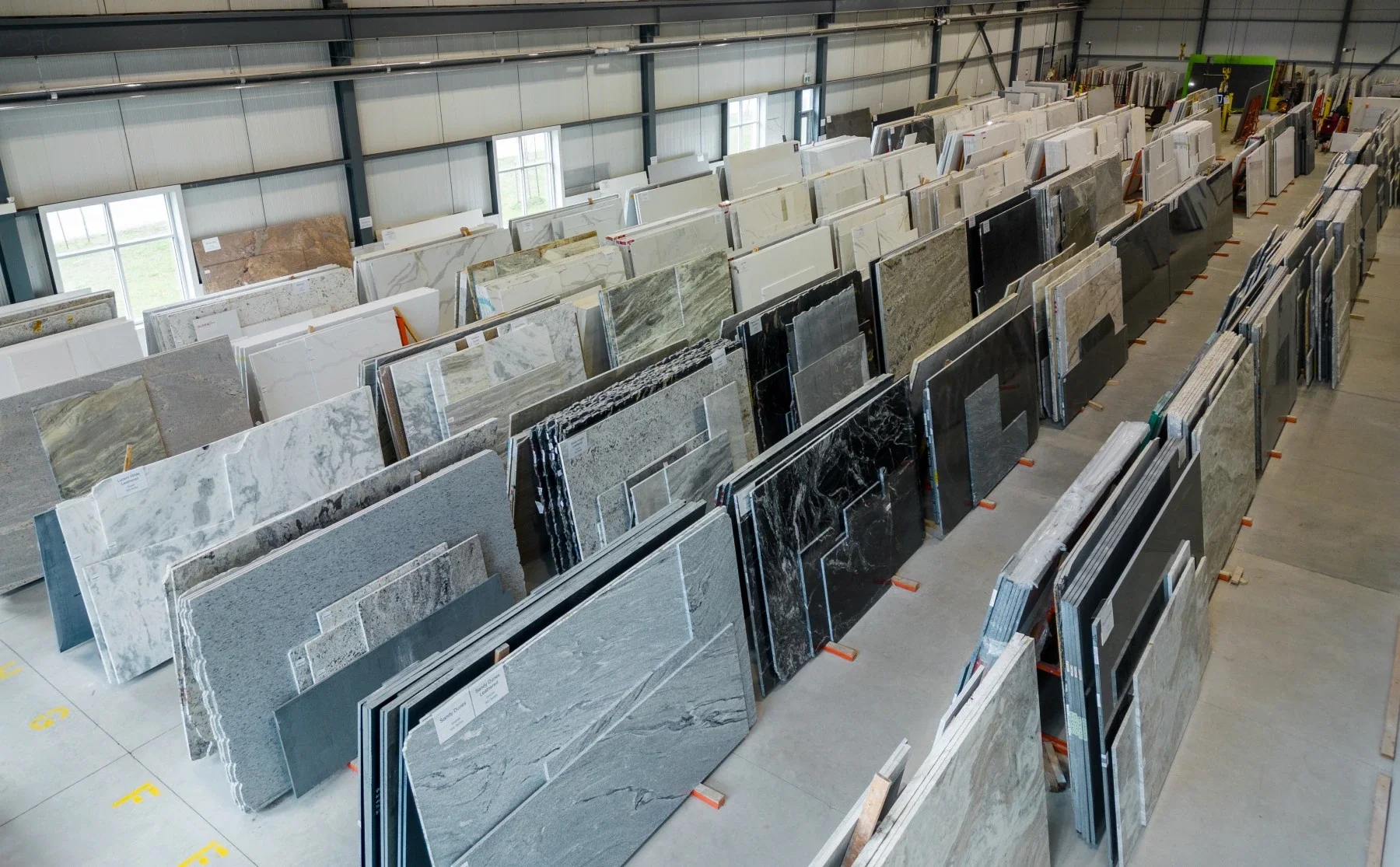
Quartz countertops are built to last, but like any surface, they can experience wear and damage over time. The key takeaway is that not every issue requires the same solution, and choosing the right approach can save both time and money in the long run.
Small, surface-level issues are often suitable for DIY fixes or minor repairs, especially when the damage is cosmetic and limited in scope. However, once problems become more serious, such as deep cracks, structural concerns, or widespread damage, it is usually best to involve a professional or consider full replacement rather than continuing to patch the surface.
Ultimately, not all damage is worth repairing, particularly when costs begin to approach the price of a new installation or when the countertop no longer meets your style or functional needs.
At Natural Stone City, we don’t focus on countertop repair services, but we do help homeowners make informed decisions about their surfaces. Whether you need guidance on maintenance, honest advice about damage, or you’re exploring a full quartz replacement, our team is here to help you find the right long-term solution for your space.
If your countertop damage is beyond repair, upgrading to a new quartz surface may be the best long-term solution.
We encourage you to visit our showroom, get a quote, or speak with our team for expert advice on the best next step for your kitchen or bathroom surfaces.
What Our Customers Are Saying…
“Natural Stone City provided top notch service and quality. From the first time we walked into the showroom through to final installation, they went above and beyond to ensure that their costumer is not just satisfied, but truly happy with their investment. We especially want to publicly recognize and thank Maria for taking the time to walk us through the warehouse explaining the pro’s and con’s of different choices. This being our first time through the process of choosing countertops for the kitchen and bathroom, Maria’s knowledge and honesty was invaluable.
We give this company and all their employees the highest ratings possible and will recommend them to everyone we know. Go visit them, you will not be disappointed!”
-Rob Coutts
“As a local contractor Never an issue with this company been with them for 10+ years Always been well taken care of with all of their staff with the right prices for a quality job. Highly recommend.”
-Scott Wenderoth
“Gia was excellent at taking us through the warehouse, helping us get exactly what we wre looking for!”
-Scott Wagler