
Why Sintered Stone Could Replace Traditional Countertops
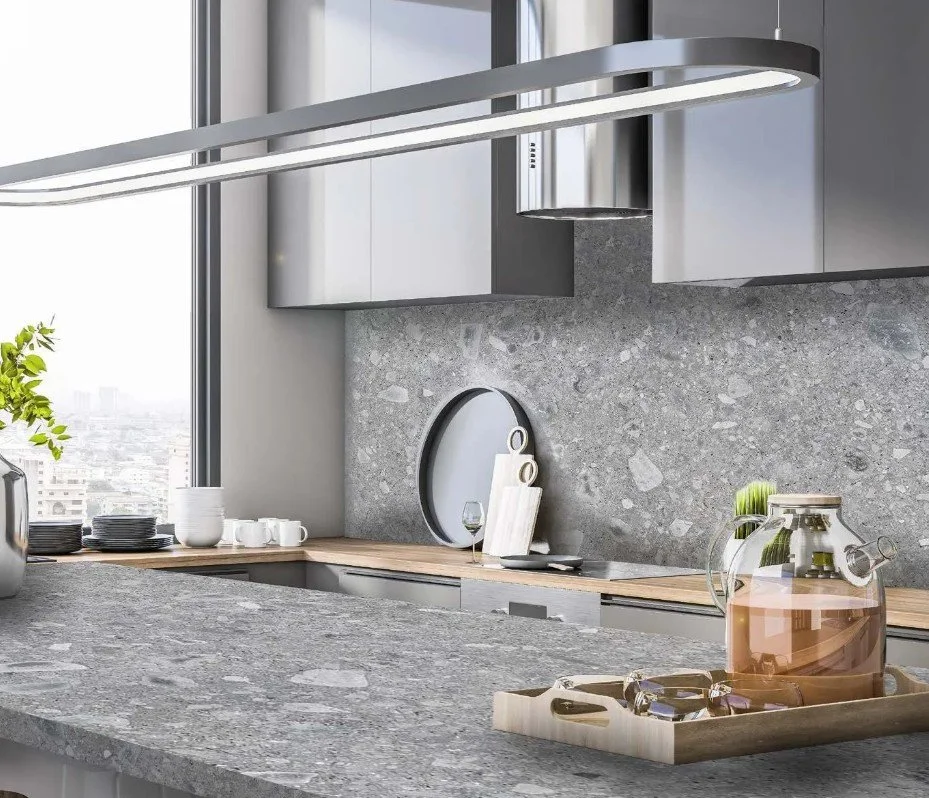
*Images by Marble Trend
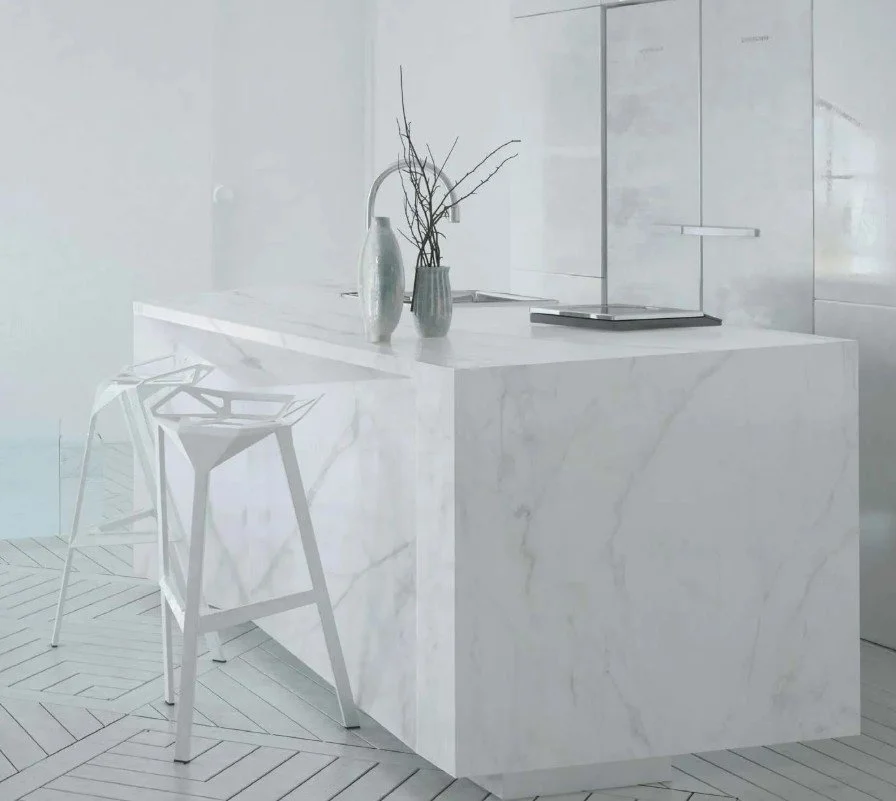
As kitchen design shifts toward ultra-durable, zero-maintenance living, traditional countertop materials are facing unprecedented competition. Homeowners, designers, and architects increasingly demand surfaces that can seamlessly withstand blistering direct heat, relentless UV exposure, and heavy everyday wear without staining or degrading over time. Sintered stone has emerged as the leading alternative, driving a major industry transformation away from legacy stone and synthetic surfaces.
Core Focus
This guide explores the key technological and design factors behind why sintered stone is poised to overtake traditional countertop materials in modern homes. We analyze its superior thermal resistance, 100% weather stability, seamless indoor-to-outdoor versatility, and eco-friendly manufacturing advantages.
In This Guide:
This guide is part of our complete series. For an all-in-one guide to materials, costs, and comparisons, explore our main pillar guide: What Is Sintered Stone: A Comprehensive Overview →
Why Sintered Stone Could Replace Traditional Countertops
1. The Evolution of Countertop Surfaces
Countertops have evolved significantly as homeowners have asked more from the surfaces in their kitchens. Each major shift in materials has solved some of the shortcomings of what came before it, while also introducing new expectations for durability, appearance, and maintenance.
Today, that evolution is moving toward sintered stone, a surface engineered to deliver high performance without many of the compromises associated with traditional countertop materials.
Each generation of countertop materials has raised expectations for durability, design and maintenance.
Laminate
Affordable and versatile, laminate made a wide range of colours and patterns accessible to homeowners.
→Granite
Natural stone brought a more premium appearance and greater durability, while introducing maintenance considerations such as sealing.
→Quartz
Engineered quartz offered consistent designs and low routine maintenance, but its resin content creates limitations around extreme heat.
→Sintered Stone
Mineral-based sintered stone pushes countertop performance further, particularly for heat, sunlight, moisture and demanding applications.
From Laminate to Natural Stone
For decades, laminate was a popular countertop choice because it was affordable, versatile, and available in a wide range of colours and patterns. However, its susceptibility to scratching, chipping, heat damage, and wear limited its long-term performance.
Natural stone, particularly granite, became a major step forward for homeowners looking for a more durable and premium surface. Granite offered distinctive natural patterns and strong resistance to everyday wear, making it a popular alternative to laminate.
However, natural stone also introduced a different consideration: maintenance. Many natural stones have varying degrees of porosity and may require periodic sealing to help protect against staining and moisture penetration.
The Rise of Engineered Quartz
Engineered quartz addressed several of the concerns associated with natural stone. Its controlled manufacturing process made consistent colours and patterns possible, while its low-porosity surface reduced the need for routine sealing.
This helped make quartz one of the most popular countertop materials for modern kitchens.
However, quartz is not without limitations. Because most quartz countertops contain resin binders, excessive heat can pose a concern. A very hot pan or cookware placed directly on the surface can potentially cause thermal damage, including discolouration or cracking.
That creates an important distinction: a countertop can be highly durable for everyday use without being engineered for every environmental condition.
Why Sintered Stone Represents the Next Step
Sintered stone takes a fundamentally different approach. Instead of relying on resin binders, it is manufactured primarily from carefully selected mineral materials that are subjected to extremely high pressure and heat. The resulting surface is highly dense and designed for demanding applications.
This evolution can be viewed simply:
Laminate prioritized affordability and design flexibility.
Granite introduced a more durable, premium natural surface.
Quartz improved consistency and reduced routine maintenance.
Sintered stone is designed to push performance further, particularly where heat, sunlight, moisture, and heavy use are concerns.
The significance of this progression is not simply that a newer material has entered the market. It reflects a broader change in what homeowners expect from their countertops. Rather than choosing between appearance, durability, and practicality, today's buyers increasingly want a surface that can perform across all three areas.
From Kitchen Countertop to High-Performance Surface
Sintered stone also expands the idea of where a countertop material can be used. Its performance characteristics make it suitable for applications that can be more challenging for other surfaces, including areas exposed to intense sunlight, moisture, and high temperatures.
That makes the material particularly relevant as modern homes increasingly blur the boundaries between indoor kitchens, outdoor kitchens, entertaining areas, and other living spaces.
The evolution of countertop materials, therefore, is not just about replacing one surface with another. It is about moving toward materials that can accommodate the way homes are being designed and used today. Sintered stone represents the latest stage in that progression, combining contemporary design possibilities with a level of performance that can reduce some of the compromises homeowners have traditionally had to accept.
2. Key Performance Drivers Shifting the Market
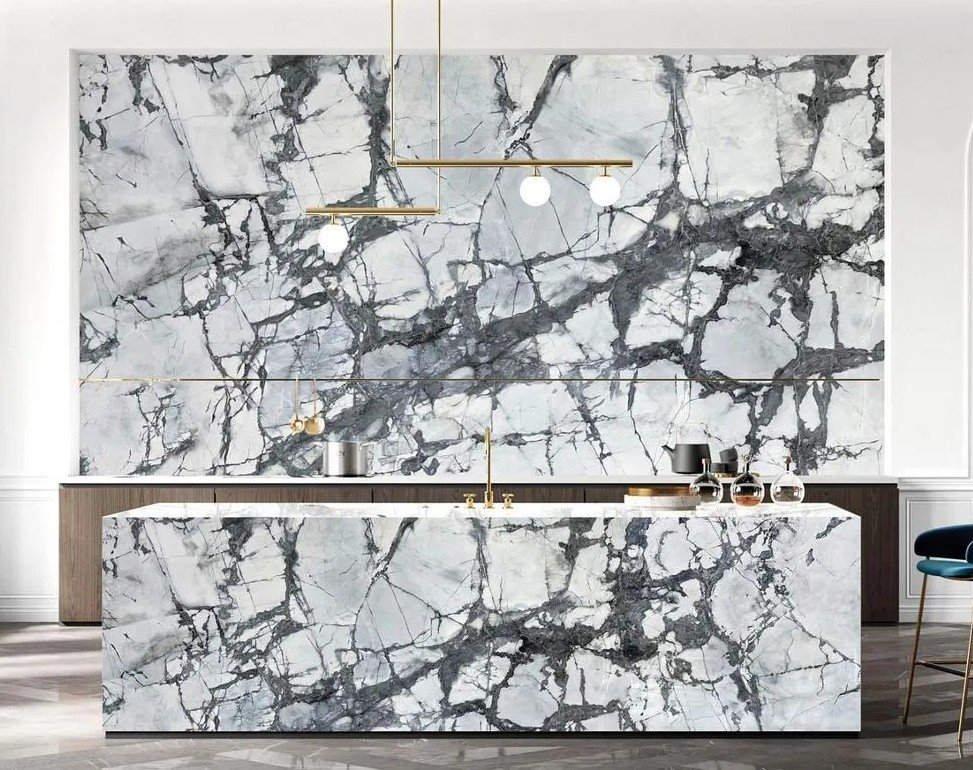
*Images by Marble Trend
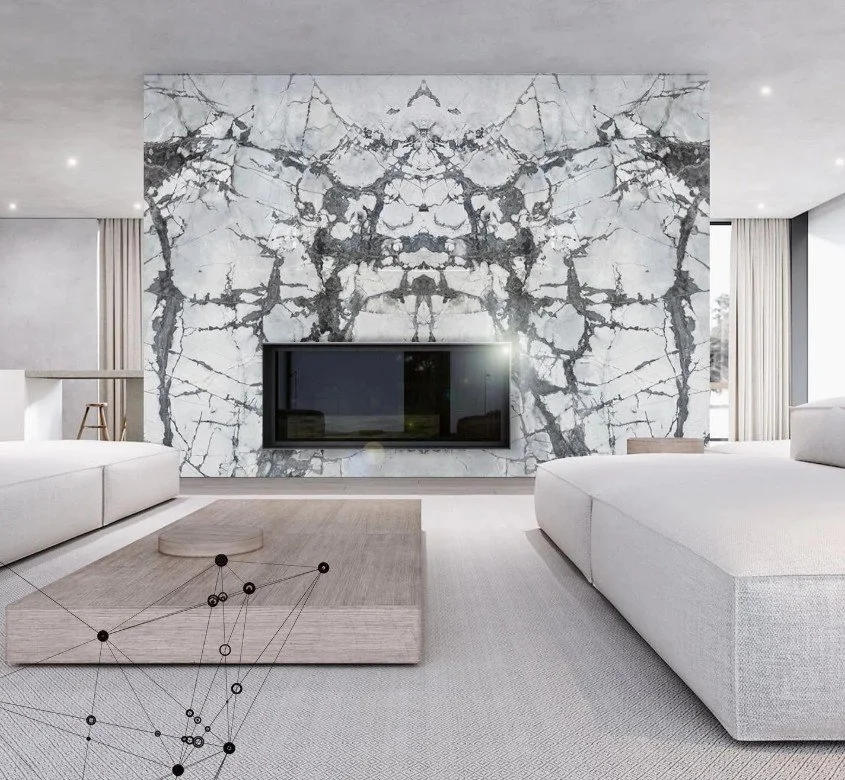
As countertop expectations continue to rise, appearance alone is no longer enough. Homeowners increasingly want surfaces that can handle the realities of everyday life without requiring them to constantly think about what they can place on, spill on, or expose their countertops to.
Sintered stone stands out because its performance is built into the material itself. Three characteristics are particularly important in explaining why it is gaining attention as an alternative to traditional countertop surfaces.
Unmatched Thermal Resistance
One of the biggest practical advantages of sintered stone is its ability to tolerate extremely high temperatures. The dense, mineral-based surface is designed to handle direct heat from hot cookware without the same concerns associated with resin-based surfaces.
For everyday kitchen use, that means you can place a hot pan or baking dish directly on the surface without worrying about the countertop scorching or burning. Its resistance to thermal stress also helps it withstand the rapid temperature changes that can occur around cooking areas.
Some sintered stone products can take this heat performance even further by incorporating invisible induction cooking technology directly beneath the countertop. This allows the cooking surface to remain visually continuous, with the induction system heating the cookware rather than directly heating the countertop surface. The result is a sleek, integrated cooking area that eliminates the need for a traditional cooktop interrupting the countertop design.
This is an important distinction if you want a countertop that works with your lifestyle rather than requiring constant caution.
100% UV & Weather Stability
Sintered stone is also designed to remain stable when exposed to sunlight and changing weather conditions. Unlike quartz, which contains resin and can be susceptible to colour changes with prolonged UV exposure, sintered stone does not rely on organic binders that can degrade in sunlight.
That makes it particularly well suited to spaces where other countertop materials may have limitations, including:
Sunlit indoor kitchens can use the material without the same concern about prolonged UV exposure affecting its colour.
Outdoor kitchens can benefit from a surface designed to withstand sunlight, moisture and changing weather conditions.
Indoor and outdoor spaces can use the same material aesthetic, making it easier to create a consistent design throughout a property.
This UV stability is one of the characteristics that helps move sintered stone beyond the traditional definition of a kitchen countertop.
Extreme Scratch & Chemical Resistance
Everyday countertops are exposed to much more than food and cookware. Knives, abrasive materials, acidic ingredients, cleaning products and accidental spills can all put a surface under stress.
Sintered stone's highly compact mineral structure provides exceptional resistance to scratching, staining and chemical exposure. Its dense surface helps prevent substances from penetrating deeply, while its resistance to acidic materials reduces concerns about etching that can affect some natural stone surfaces.
The practical benefit for you is straightforward: the countertop is better equipped to handle demanding everyday use without requiring you to constantly modify how you use or clean the surface.
Why These Performance Characteristics Matter
These advantages are significant individually, but their real impact comes from having them together. A countertop that can handle high temperatures, prolonged sunlight and demanding everyday use opens up possibilities that are more difficult with materials that have specific environmental limitations.
Rather than simply asking, "How durable is this countertop?", you can ask a more useful question:
"Where can I use this material, and what can it handle?"
That shift in expectations is helping drive interest in sintered stone as a next-generation surfacing material.
3. Seamless Indoor-to-Outdoor Design Capabilities
Modern homes are increasingly designed around connected living spaces rather than strictly separated indoor and outdoor areas. Kitchens may open directly onto patios, covered entertaining spaces, or outdoor kitchens, creating a demand for materials that can maintain a consistent visual identity across these environments.
Sintered stone is particularly well suited to this approach because the same material can be used across a range of horizontal and vertical applications.
Creating Unified Living Spaces
Instead of treating an indoor kitchen and outdoor entertaining area as two completely separate designs, you can use complementary sintered stone surfaces to create a more continuous look.
The same colour, pattern, or visual style can extend from an indoor countertop to an outdoor kitchen, backsplash, island surround, or wall application. This helps create a stronger visual connection between spaces without requiring them to look identical.
Sintered stone can also be used for applications such as:
Indoor countertops can transition visually into outdoor kitchen surfaces for a more cohesive overall design.
Large-format slabs can extend a material's visual presence from horizontal countertops onto walls and vertical surfaces.
Matching or coordinating surfaces can help connect kitchens, patios, covered entertaining areas, and other outdoor living spaces.
The result is a design that feels intentional from one space to the next rather than stopping at the exterior door.
The Advantage of Large-Format, Ultra-Thin Slabs
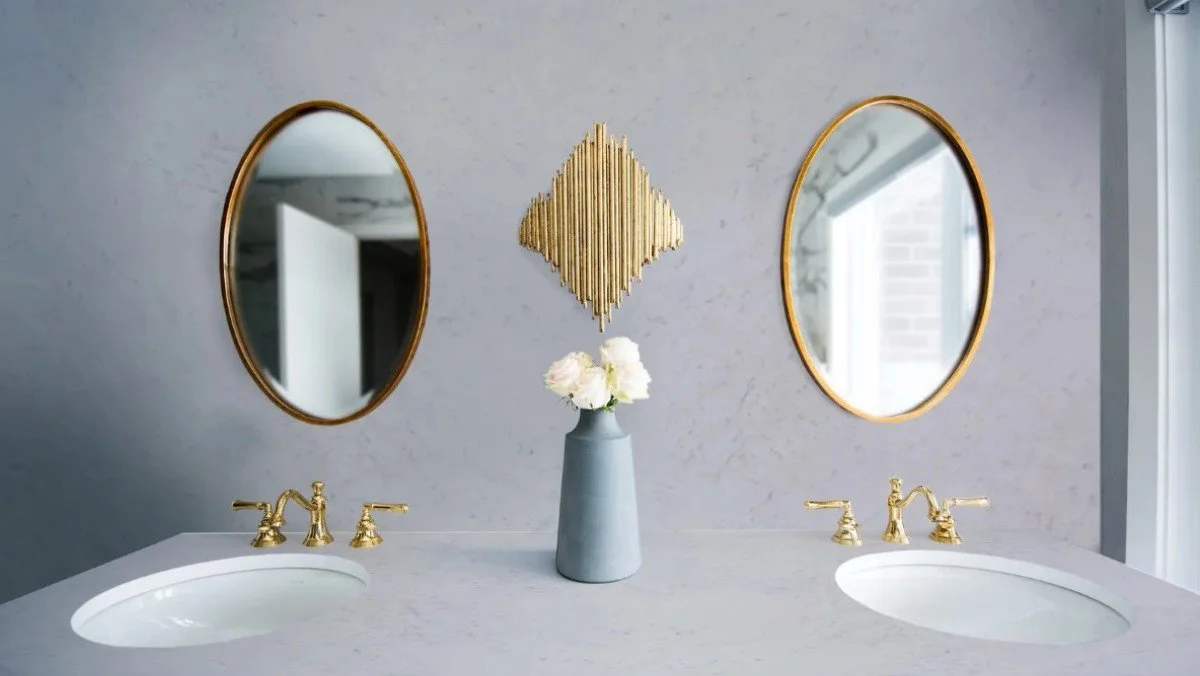
*Image by Marble Trend
Sintered stone also expands design possibilities through large-format slabs available in thinner profiles, including 6 mm and 12 mm options depending on the product and application.
These thinner slabs can be used where a traditional, full-thickness countertop slab would be unnecessarily heavy or difficult to incorporate. They open up opportunities for applications beyond conventional countertops, including vertical and architectural surfaces.
For example, designers can use thinner sintered stone slabs for:
Vertical wall cladding can create a continuous stone appearance with fewer visual interruptions.
Cabinet fronts and other architectural panels can incorporate the same surface used elsewhere in the room.
Island sides, backsplashes, feature walls, and other vertical elements can carry the countertop material throughout the design.
Lightweight architectural applications can achieve a stone-inspired appearance without requiring the mass of a conventional thick slab.
This versatility is important because it changes how designers think about the material. Sintered stone is not limited to being a surface that sits on top of cabinets; it can become part of the architecture surrounding them.
Designing Beyond the Traditional Countertop
The combination of large formats and thinner profiles gives sintered stone a broader role in contemporary design. Instead of selecting one material for countertops and another for walls or cabinetry, designers can create a more unified palette across multiple surfaces.
This is particularly valuable in open-concept homes, where the kitchen, dining area, and outdoor living spaces are visually connected. The material becomes part of the overall architectural language rather than simply a functional countertop surface.
4. Sustainability & Health Factor Advantages
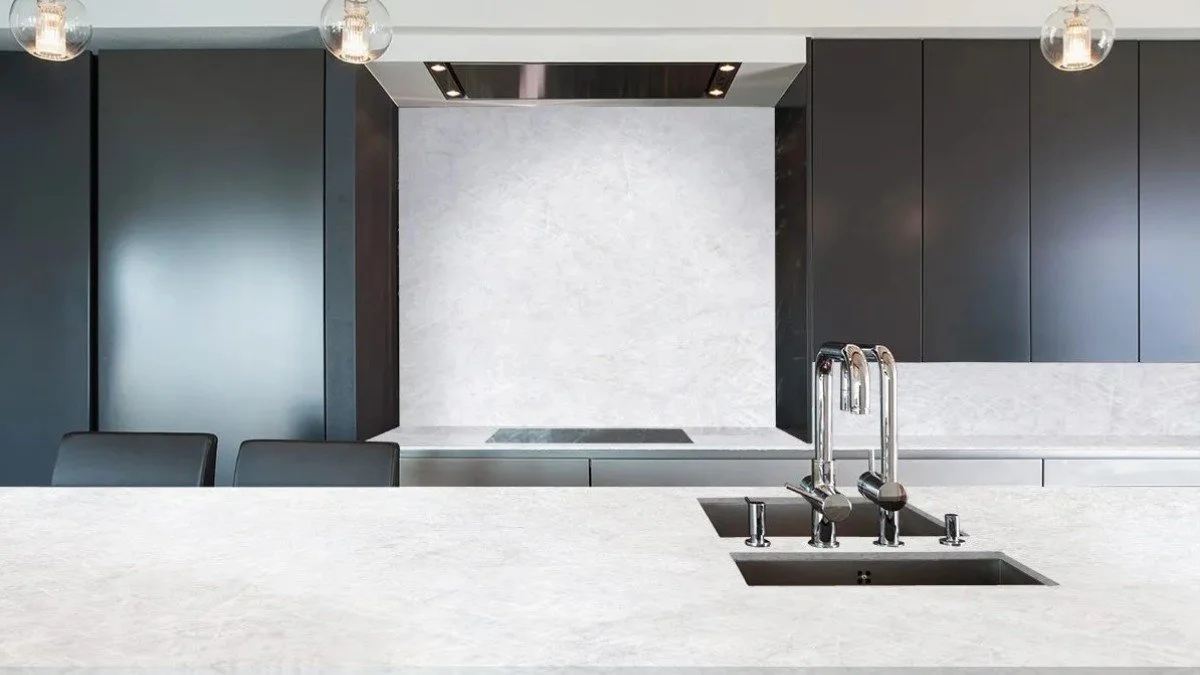
*Image by Marble Trend
Performance is only part of the reason material selection is changing. Homeowners, designers, and builders are also paying closer attention to what countertop materials are made from, how they are manufactured, and what happens to them at the end of their useful life.
Sintered stone can offer advantages in these areas, although the exact environmental profile varies between manufacturers and products. It is important to evaluate the specifications and certifications of the particular slab being considered rather than assuming every sintered stone product has identical sustainability characteristics.
Resin-Free Composition and Indoor Air Quality
Unlike engineered quartz, sintered stone is manufactured from mineral-based raw materials without relying on resin binders as a structural component. This distinction can be relevant if you are looking to reduce synthetic materials in your interior finishes.
Because the finished material does not depend on organic resin binders, it does not present the same resin-related concerns about chemical emissions or off-gassing. For interior applications, this can make sintered stone an appealing option for those placing greater emphasis on material composition and indoor environmental quality.
The Industry's Approach to Crystalline Silica
Crystalline silica deserves a more nuanced discussion. Silica is naturally present in many stone and mineral products, including some materials used to manufacture sintered stone. The health concern is primarily associated with airborne respirable crystalline silica generated during fabrication, rather than simply having a finished countertop installed in a home.
The surfacing industry is responding with changes in material formulations, fabrication practices, dust-control systems, and workplace safety procedures. Some newer products are also being developed with reduced-silica or alternative mineral formulations.
For homeowners, the key takeaway is that the safety profile of a countertop should not be judged solely by its product category. Fabricators should follow appropriate dust-control and cutting practices and should provide product-specific information when evaluating a particular material.
Resource Efficiency and End-of-Life Considerations
Sustainability also extends beyond what is inside the finished slab. Sintered stone is produced by combining mineral raw materials under intense pressure and heat to create a dense, durable surface. Its long service life can be an important part of the sustainability equation because a material that remains functional and attractive for many years may not need to be replaced as frequently.
Depending on the manufacturer and product, sintered stone may also incorporate recycled mineral content or offer opportunities for material recovery and recycling. Manufacturing processes and energy consumption vary, however, so environmentally conscious buyers should look for specific manufacturer documentation rather than relying on broad claims.
When evaluating the environmental advantages of a countertop, consider factors such as:
The manufacturer should be able to provide information about the raw materials and recycled content used in the product.
Product-specific environmental certifications can provide more meaningful evidence than general sustainability claims.
Long service life can reduce the need for premature replacement and the associated use of new materials.
Responsible fabrication and installation practices can help reduce waste generated during the project.
A More Informed Approach to Sustainable Surfaces
Sintered stone should not be considered automatically sustainable simply because it is mineral-based. Its environmental impact depends on the raw materials, manufacturing process, transportation, fabrication, installation, and eventual disposal or recycling of the specific product.
What makes it increasingly relevant is that durability, material composition, indoor environmental considerations, and resource efficiency can be evaluated together. For homeowners and builders looking beyond the initial appearance of a countertop, that broader assessment can help identify surfaces that align with both performance expectations and long-term environmental priorities.
5. What Holds Traditional Materials Back
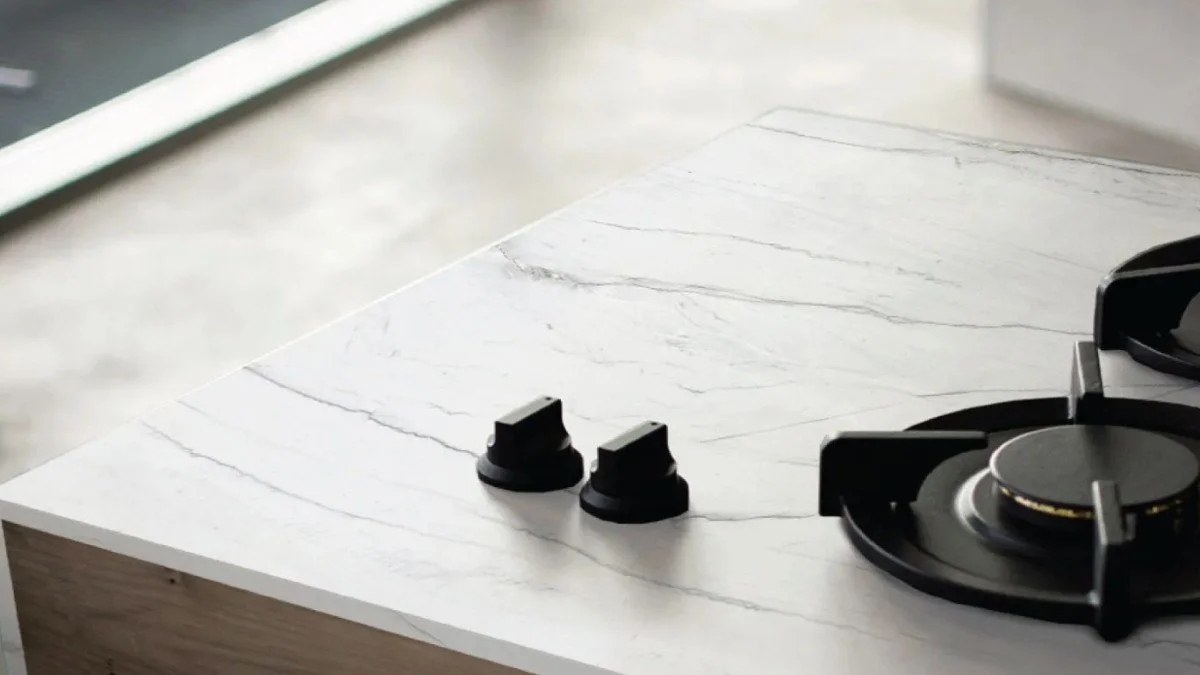
*Image by Marble Trend
Traditional countertop materials are not necessarily poor choices. Granite, quartz, and other established surfaces continue to perform well in many homes. The issue is that homeowner expectations are changing.
As kitchens become more heavily used and indoor and outdoor living spaces become increasingly connected, buyers are placing greater value on low maintenance, long-term durability, and versatility. Materials that require specific precautions or ongoing maintenance can therefore face greater competition from newer alternatives.
The Heat & Maintenance Gap
Granite and quartz each offer important benefits, but they approach countertop performance differently.
Granite is a natural stone with excellent durability, but many granite surfaces benefit from periodic sealing to help protect against staining and moisture penetration. The frequency and necessity of sealing can vary depending on the particular stone, its finish, and how it is used.
Quartz eliminates much of this routine maintenance because its engineered composition creates a non-porous surface. However, the resin used in most quartz products means you still need to be mindful of extreme heat. Direct contact with very hot cookware can potentially damage the surface.
This creates two different compromises:
Granite can require ongoing maintenance to preserve its resistance to staining and moisture.
Quartz reduces routine maintenance but requires greater caution around extreme heat.
Homeowners increasingly want surfaces that minimize both maintenance requirements and everyday usage restrictions.
Sintered stone has gained attention because its mineral-based composition addresses these particular concerns without requiring you to choose between easy maintenance and high-temperature performance.
Future-Proofing the Home
Countertops are a significant investment, and homeowners typically expect them to remain functional and attractive for many years. Choosing a highly durable surface can therefore be viewed as more than a short-term design decision.
As buyers become more informed about countertop materials, features such as durability, maintenance requirements, and versatility can become increasingly important when evaluating a home. A surface that remains attractive and functional under demanding everyday conditions may help a kitchen feel current for longer.
This does not mean that installing sintered stone automatically increases a home's resale value. Rather, investing in a high-performance surface can help reduce one potential source of future renovation or replacement costs while aligning the home with changing buyer expectations.
If you are planning to stay in your property for many years, that long-term perspective can be particularly valuable. Instead of selecting a countertop based solely on today's appearance or price, you can consider how well the material is likely to serve your home as lifestyles, design preferences, and expectations continue to evolve.
The Shift in What Homeowners Expect
The market is not necessarily moving away from traditional materials because they have become obsolete. It is moving because the definition of a "good countertop" is changing.
Increasingly, homeowners are looking for a combination of durability, minimal maintenance, design flexibility, and fewer everyday restrictions. That shift is creating an opportunity for newer materials such as sintered stone to compete with and in some applications potentially replace more established countertop options.
6. Related Sintered Stone Guides
Conclusion & Final Verdict
As modern kitchen designs demand higher durability, seamless aesthetic transitions, and zero-maintenance living, sintered stone stands out as a true generational leap forward in surfacing technology. By eliminating the heat sensitivity of quartz resins and the porosity of natural granite, it solves the foundational limitations of legacy countertops. Investing in sintered stone isn't just about following a current trend—it’s about future-proofing your home with a material built to withstand decades of daily life without compromise.
See Full-Size Sintered Stone Slabs In Person
Ready to see why homeowners and designers are making the switch? Visit our local showrooms to feel the textured finishes, inspect realistic marble veining, and test the unmatched durability of sintered stone in person.
What Homeowners & Pros Say About Working With Us
"We had a phenomenal experience working w Natural Stone City during a kitchen reno...The customer care was next level. HIGHLY recommend and will go back for any future projects. Thank you Natural Stone City!"
"Super happy with the result and also with the experience we had with Natural Stone City team. Easy to order, very helpful and experienced team members, 3 hours installation. Pictures speak for themselves.Thank you!"
"As a local contractor Never an issue with this company been with them for 10+ years. Always been well taken care of with all of their staff with the right prices for a quality job. Highly recommend."