
Does Your Countertop Have Heat Damage?
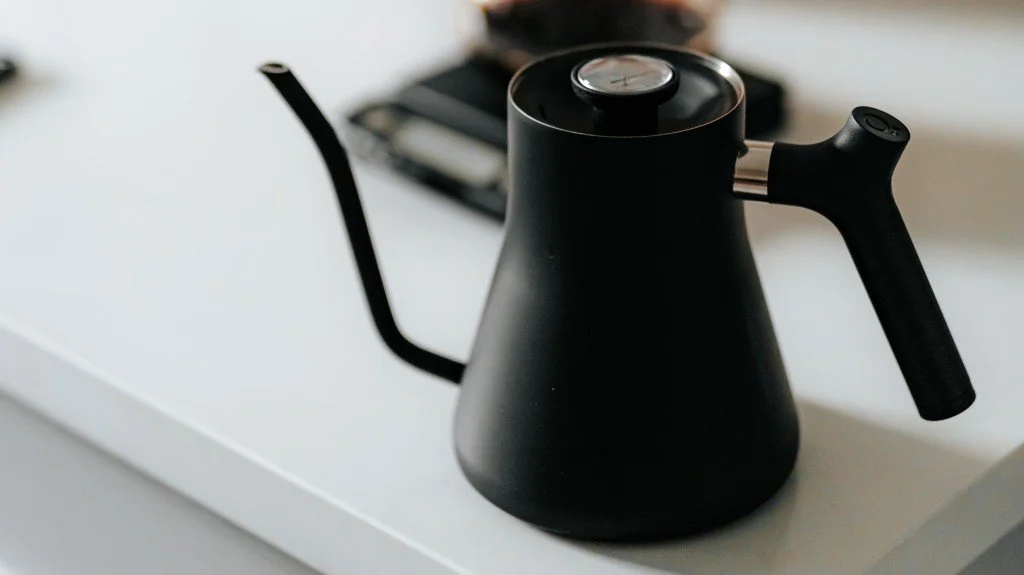
Your countertop takes a lot of daily wear, but heat from hot pans, appliances, or steam can cause damage you might not notice at first. From discolouration and dull spots to cracks or burns, heat can affect both the look and durability of your surfaces. In this guide, we’ll help you spot the signs of heat damage, understand what causes it, and show you how to protect your countertops for years to come.
If your countertop has sustained heat damage that can’t be repaired, it’s time to consider a replacement. At Natural Stone City, we offer a wide selection of high-quality stone countertops and professional installation services to restore both beauty and function to your kitchen or bathroom. Contact us today to schedule a consultation and find the perfect countertop for your home.
Key Takeaways
Heat damage can affect both the appearance and structural integrity of your countertop.
Common signs include discolouration, cracks, warping, burn marks, and dull spots.
Different materials react differently: granite is heat-resistant, while quartz, laminate, and wood are more susceptible.
Prevent damage by using trivets, hot pads, and heat-resistant accessories, and avoid prolonged steam exposure.
Minor surface issues may be repaired at home, but structural damage usually requires professional attention.
Natural Stone City can assess, repair, or replace heat-damaged countertops to restore beauty and functionality.
Does Your Countertop Have Heat Damage?
1. What Counts as Heat Damage?
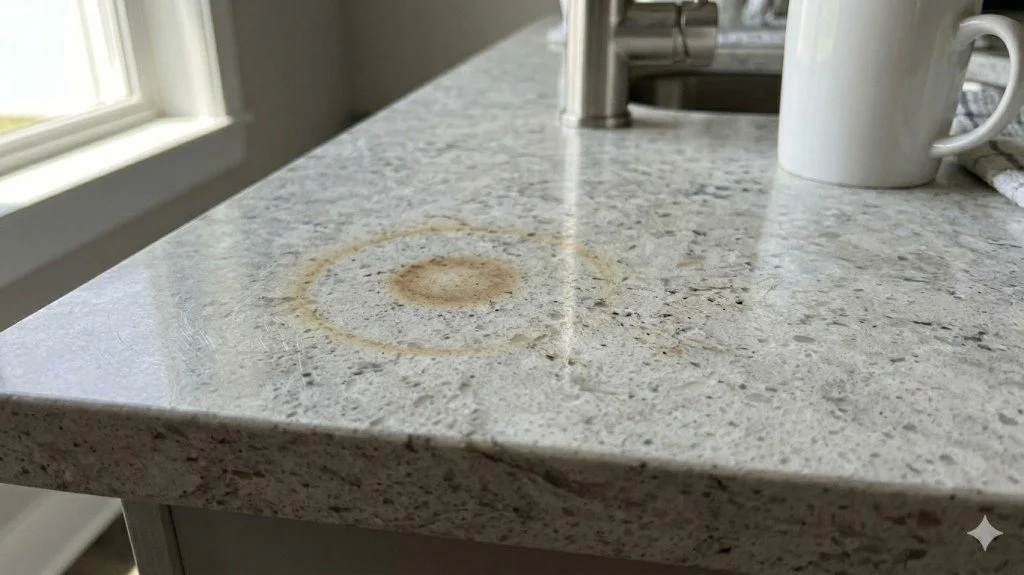
Heat damage occurs when a countertop is exposed to temperatures beyond what the material can safely handle. Even brief contact with hot pots, pans, or appliances can cause permanent changes to the surface or structure of your countertop. Understanding the types of heat damage can help you identify problems early and prevent further issues.
Common Types of Heat Damage
Countertop heat damage can show up in several ways, depending on the material and intensity of heat exposure. Here are the most common types:
Discolouration:
Heat can cause surfaces to fade, lighten, or develop blotchy patches. This is especially noticeable on darker stones or engineered surfaces.Cracking:
Sudden or repeated heat exposure may create fine cracks or, in severe cases, deep fissures that compromise the strength of the countertop.Warping:
Some countertops, particularly laminate or thin stone slabs, may warp or bend after prolonged heat contact.Surface crazing or dull spots:
Small, spider-web-like lines or a loss of shine can appear on polished surfaces when heat affects the finish or resin components.
These forms of heat damage can affect both the appearance and structural integrity of your countertop, making early detection important.
Material Heat Tolerance
Not all countertops react to heat in the same way. Natural stone, such as granite, generally tolerates heat better than engineered quartz, laminate, or wood surfaces, which may scorch, discolour, or warp more easily. Being aware of your countertop material’s heat tolerance can help you take preventive steps to protect it.
By understanding what counts as heat damage and how it appears, you can spot problems early and take action to preserve the life and beauty of your countertops.
2. Common Causes of Countertop Heat Damage
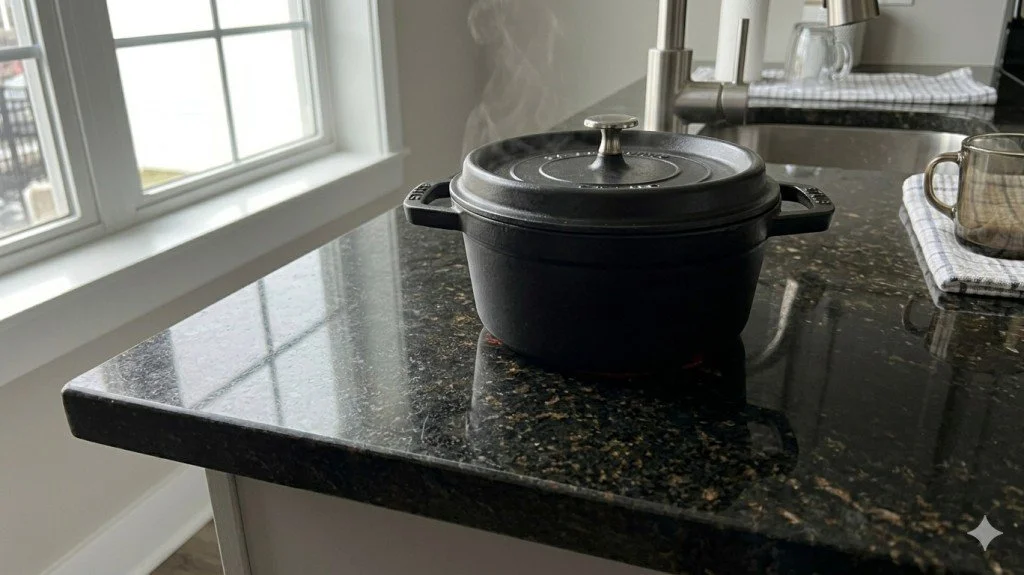
Countertops can withstand everyday use, but certain heat exposures can lead to damage over time. Knowing the common causes helps you prevent problems before they occur.
Hot cookware placed directly on the surface:
Pots, pans, baking sheets, or trays taken straight from the stove or oven can leave scorch marks or cause discolouration.Appliances that generate heat:
Slow cookers, toaster ovens, coffee makers, and other small appliances can transmit enough heat to damage countertops if left in one spot for too long.Steam exposure:
Boiling water, kettles, and pots of pasta or vegetables can release steam that penetrates the surface, especially around seams or edges.Temporary placement of oven racks or trays:
Setting hot oven racks, cookie sheets, or pizza stones on your countertop can create localized burns or dents.
Being mindful of these common causes allows you to protect your countertop from heat-related issues before they worsen.
3. Signs Your Countertop May Have Heat Damage
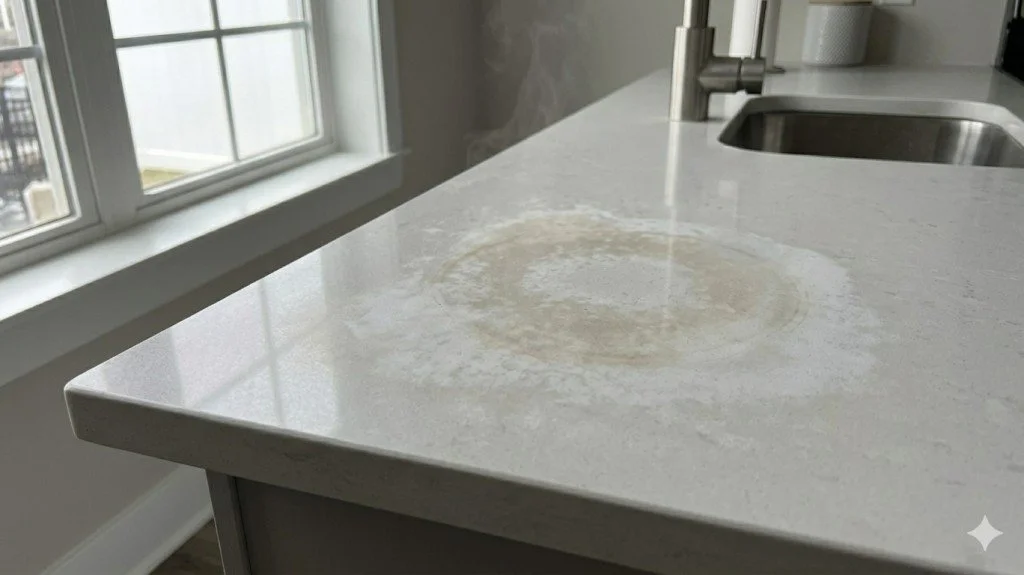
Heat damage can show up in subtle ways, so it’s important to know what to look for. Early detection can prevent further damage and help you decide whether repairs or replacement are needed.
Discolouration or whitening:
You may notice patches that look faded, bleached, or lighter than the surrounding surface. This is common on darker stones and engineered countertops.Cracks or fissures:
Fine lines or deeper cracks can appear in the surface, sometimes radiating outward from a heat source.Dulling of the finish:
Polished countertops may lose their shine in areas exposed to heat, resulting in uneven gloss across the surface.Burn marks or scorched areas:
Dark or charred spots can form when high heat contacts the countertop for even a short time.Texture changes:
The surface may feel rough, uneven, or slightly raised in spots where heat has affected the material.
Recognizing these signs early helps you take appropriate action, whether that’s using protective measures, attempting minor surface repair, or contacting professionals for more serious damage.
4. How Different Countertop Materials React to Heat
Not all countertops respond to heat the same way. Knowing your material’s tolerance can help you prevent damage and understand what to expect if heat is accidentally applied.
Granite:
Granite is naturally heat-resistant and can handle hot pots for short periods. However, rapid temperature changes can cause cracks, especially in slabs with existing flaws.Quartz / Engineered Stone:
Quartz contains resins that make it less heat-tolerant. Exposure to high heat can melt the resin, causing discolouration, dull spots, or warping.Marble:
Marble is softer and more porous than granite. Hot items can leave scorch marks or etch the surface, affecting both appearance and finish.Laminate:
Heat can cause the decorative layer to blister, peel, or warp. Laminate is not heat-resistant, so trivets and hot pads are essential.Concrete:
Concrete countertops may develop surface cracks or “crazing” when exposed to extreme heat. Sealing can help minimize damage, but protection is still necessary.Butcher Block / Wood:
Wood countertops are highly susceptible to scorch marks and drying, which can lead to splitting.
Heat Tolerance Comparison Table
Understanding your countertop material’s limits helps you take proper precautions and decide when professional help is needed for heat damage.
Here’s a quick overview of how common countertop materials react to heat:
| Material | Heat Tolerance | Common Heat Damage |
|---|---|---|
| Granite | High | Cracks under rapid thermal shock |
| Quartz / Engineered | Low – Medium | Discoloration, resin melting, dull spots |
| Marble | Medium | Etching, scorch marks |
| Laminate | Low | Blistering, warping, peeling |
| Concrete | Medium | Surface cracks, crazing |
| Butcher Block / Wood | Low | Burn marks, drying, splitting |
5. What to Do If You Suspect Heat Damage
If you notice signs of heat damage on your countertop, taking prompt action can prevent further problems and help determine whether repair or replacement is necessary.
Assess the damage:
Carefully examine the affected area. Look for discolouration, cracks, warping, or dull spots. Note the size and severity of the damage to determine the next steps.Avoid further heat exposure:
Until the area is repaired or replaced, avoid placing hot items or appliances on the affected surface. Using trivets and hot pads can prevent additional damage.Attempt minor surface remedies:
For small, superficial issues, you may try polishing or buffing the surface, depending on the material. Use cleaners and products that are safe for your countertop type.Document the damage:
Take clear photos of the affected area. This is useful if you need to consult professionals, check warranties, or consider insurance coverage.Know when DIY isn’t enough:
Structural cracks, deep discolouration, or warped areas usually cannot be fully repaired at home. Attempting DIY fixes on serious damage can worsen the problem.
Taking these steps helps you protect your countertop while deciding whether a professional evaluation or replacement is necessary.
6. When to Call a Professional
Some heat damage is minor and may be managed at home, but other types require professional attention to restore your countertop’s appearance and function. Knowing when to call an expert can save time, money, and frustration.
Structural cracks or deep fissures:
If you notice large cracks or splits, a professional can assess whether the stone can be repaired or needs replacement.Severe discolouration or burn marks:
Professionals have specialized techniques to minimize or correct surface damage that DIY methods can’t fully address.Warping or uneven surfaces:
Countertops that have warped due to heat exposure often require professional evaluation to determine whether resurfacing or replacement is necessary.Material-specific expertise:
Natural Stone City specializes in granite, quartz, marble, and other stone surfaces. Our team knows the best methods to repair, restore, or replace heat-damaged countertops safely and effectively.
By contacting a professional, you ensure your countertop is handled correctly, restoring both its beauty and durability while avoiding further damage.
7. Preventing Heat Damage to Your Countertops
Preventing heat damage is much easier than repairing it. With a few simple habits, you can protect your countertops and keep them looking beautiful for years.
Always use trivets or hot pads:
Place hot pots, pans, and baking sheets on protective surfaces instead of directly on the countertop.Keep appliance bottoms clean:
Residue or food on the bottoms of appliances can transfer heat or leave scorch marks.Be cautious with steam:
Avoid prolonged steam exposure from kettles, pots, or cooking appliances near the countertop edges.Educate household members:
Make sure everyone who uses the kitchen understands the importance of protecting the countertop from heat.Use heat-resistant accessories:
Consider silicone mats, wooden trivets, or other heat-safe protectors in high-use areas.Seal stone countertops regularly:
Proper sealing can add a protective layer that reduces the risk of heat-related surface damage.
Taking these precautions can significantly reduce the risk of heat damage and extend the life of your countertops.
Countertops
From Heat
8. Frequently Asked Questions About Countertop Heat Damage
Q: Can heat damage permanently weaken my countertop?
A: Yes. While minor surface issues may be cosmetic, cracks, warping, or deep scorches can compromise structural integrity. Early detection is key.
Q: Which countertop materials handle heat best?
A: Natural stone like granite is the most heat-resistant, while quartz, laminate, and wood are more susceptible to burns, warping, or discoloration.
Q: Can minor heat damage be repaired at home?
A: Superficial discolouration or dull spots can sometimes be polished, but structural damage or deep burns usually require professional repair.
Q: Is heat damage covered by warranty?
A: Coverage varies by manufacturer and material. It’s best to check your warranty and document any damage promptly.
Why Choose Natural Stone City for Your Countertops?
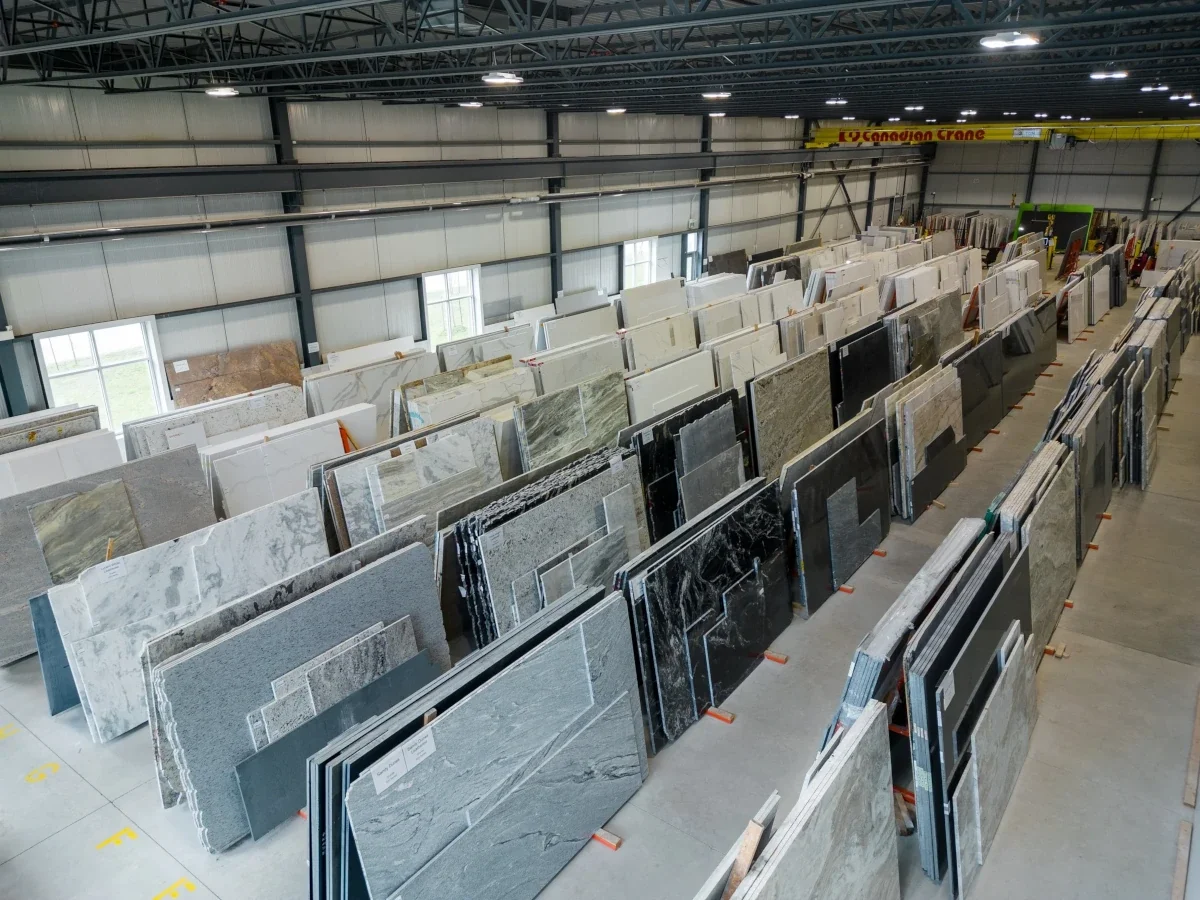
If your countertop has heat damage and needs repair or replacement, choosing the right supplier and installer makes a big difference in both the final look and how long your new countertop lasts. Working with an experienced stone supplier ensures you get the right material, proper fabrication, and professional installation.
Professional advice:
The team can help you choose the right material for your lifestyle, whether you need heat-resistant granite, durable quartz, or elegant marble. Their experience helps homeowners avoid common mistakes and choose countertops that will last for years.Fast installation timelines:
In many cases, countertops can be measured, fabricated, and installed in as little as one week, so you can complete your kitchen or bathroom project quickly.Over 1,000 slabs in stock:
With a large selection of stone slabs available, homeowners can choose from a wide variety of colours, patterns, and materials to match their space and style.Professional installation:
Proper installation is just as important as the material itself. Professional installers ensure countertops are level, properly supported, and sealed correctly for long-term durability.
Choosing an experienced supplier and installer helps ensure your new countertops not only look great but also stand up to daily use, heat exposure, and wear for many years.
Contact us today to schedule a consultation and get expert advice on the best solution for your home.
What Our Customers Are Saying…
“A fabulous company. I say that as this is the fourth time I have ordered countertops from Natural Stone City in the past 17 years for myself and my family. Each time I return I do so as the product they sell is exemplary. They even replaced the black granite they installed 17 years ago with a more modern one. The prices are also better than anywhere else I have checked with. Very pleased.”
-Shawn Thompson
“Super happy with the result and also with the experience we had with Natural Stone City team. Easy to order, very helpful and experienced team members, 3 hours installation. Pictures speak for themselves.Thank you!”
- Liviu Ojog